
Feeding and shelter care
Assist with food preparation, cleaning, enrichment, observation, and record keeping under a trained coordinator.
Get involved
Animal welfare depends on more than rescuers. Foster homes, drivers, photographers, event helpers, caregivers, veterinary partners, and communicators all strengthen adoption outcomes.
Volunteer roles
The best role is not the most dramatic one. It is the role you can perform reliably, safely, and under clear supervision.
Assist with food preparation, cleaning, enrichment, observation, and record keeping under a trained coordinator.
Help move animals, supplies, carriers, and volunteers while following safe-handling and hygiene instructions.
Welcome visitors, explain the process, document applications, and support post-adoption communication.
Create accurate, respectful photographs and profile text without exaggerating temperament or health.
Prepare educational content, verify sources, update listings, and explain responsible adoption clearly.
Qualified professionals can support assessment, vaccination, treatment, behaviour, and caregiver education.
Foster care
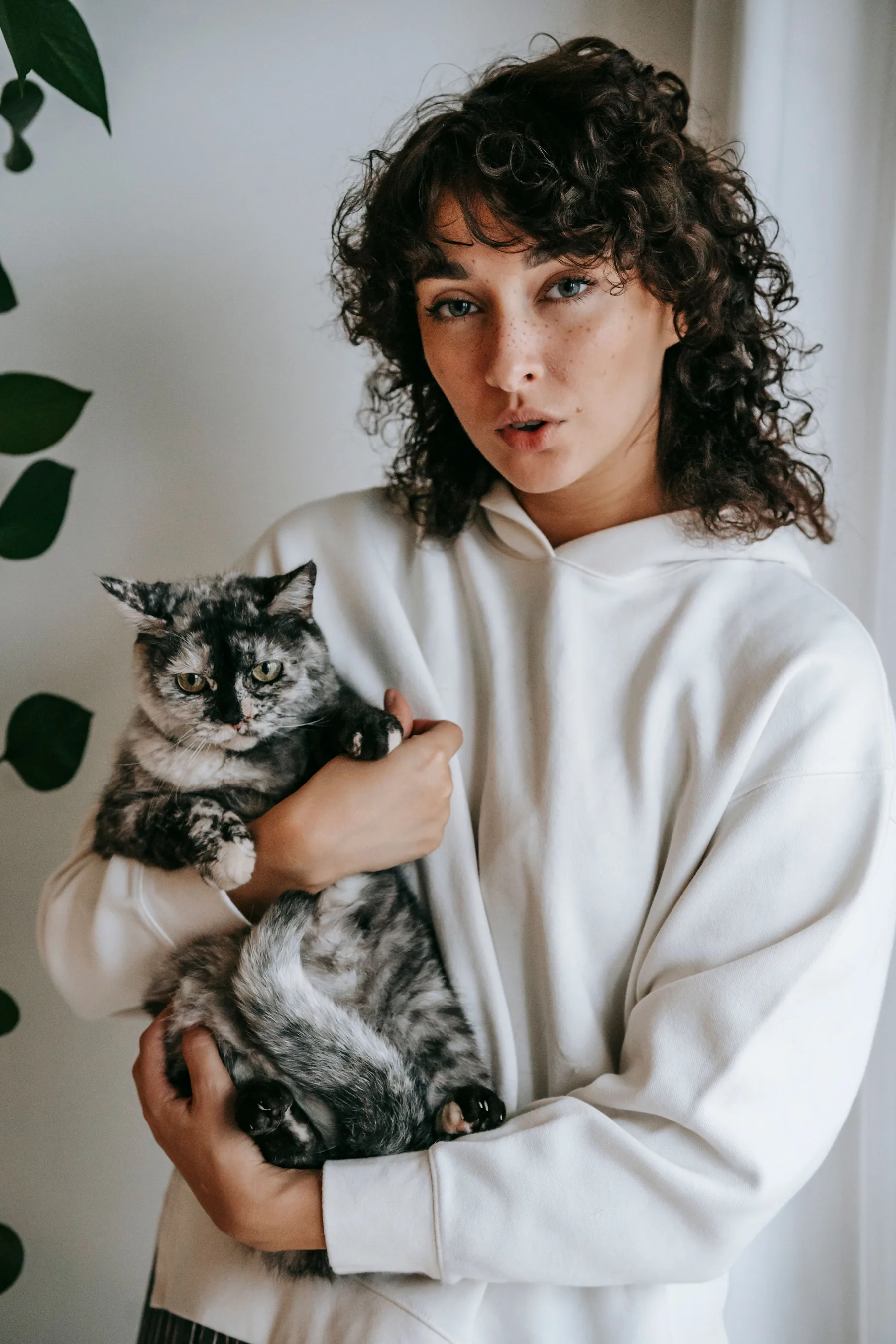
Foster caregivers help animals recover, learn routines, and reveal behaviour that may not be visible in a shelter. They also provide accurate notes for matching.
Donation transparency
PawsHome does not accept payments. This section demonstrates how a real organisation could show purpose, limits, receipts, and reporting before asking for support.
Illustrative menu
These values are design placeholders, not verified treatment prices or donation requests.
Transparency checklist